Contact Us
|
WeChat
WeChat ID:842122368Scan to Connect
WeChat ID:842122368Scan to Connect

Unmanned aerial vehicles have evolved from recreational gadgets into potent weapons capable of disabling power stations, igniting fuel depots, and disrupting supply chains. The threat spans military theatres, homeland security, and international commerce. Small modified consumer drones, as well as military‑grade platforms with precision munitions and advanced sensors, are now accessible to individuals, non‑state groups, and state forces alike. This democratisation of aerial strike capability makes critical infrastructure an increasingly vulnerable target.
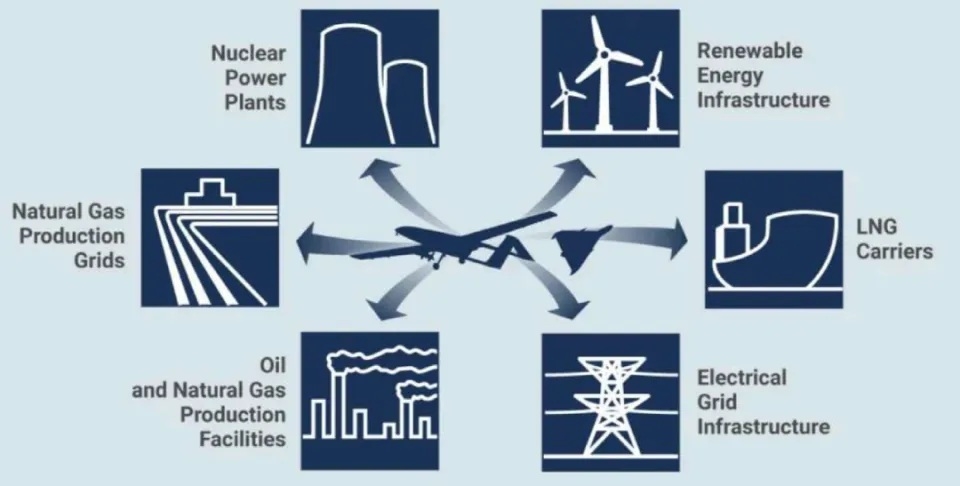
Electricity networks – encompassing thermal, nuclear, hydro, and renewable plants – face direct risks from drone strikes. A single successful impact can destroy transformers, trigger cascading outages, or, in nuclear facilities, provoke radiological emergencies.
During the Russia‑Ukraine war, Shahed‑136 drones struck Ukrainian substations, cutting power to entire communities in Chernihiv and damaging critical equipment in Dnipropetrovsk. Transmission towers, switching stations, and distribution lines are persistent targets. Coordinated assaults on multiple substations could paralyse regional grids, affecting residential, industrial, and commercial users.
Nuclear power plants represent an extreme liability. An intentional drone impact on spent fuel pools or reactor containment could have catastrophic environmental and public health repercussions. Consequently, nuclear sites demand the most rigorous layers of Counter‑UAS System protection, combining early warning, hard‑kill options, and fail‑safe protocols.
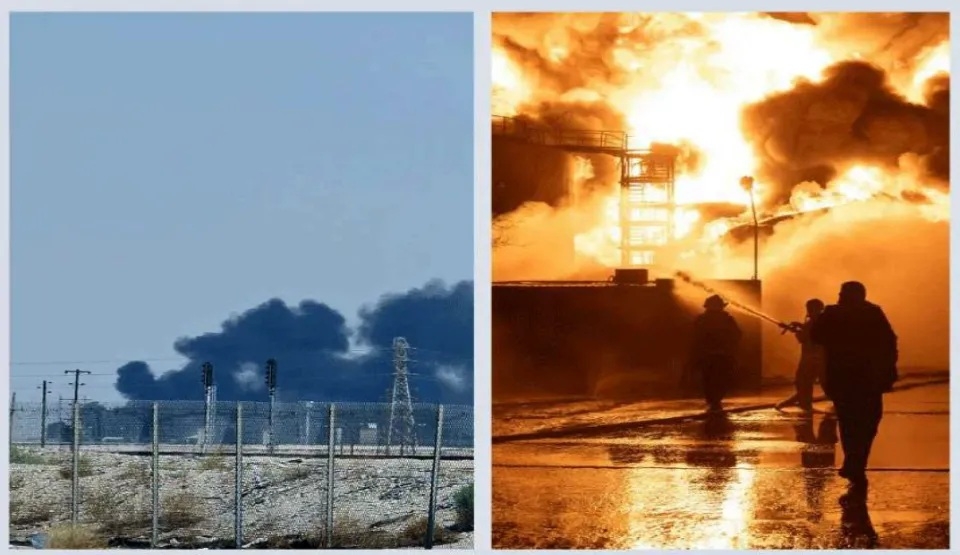
Refineries, gas processing plants, and petrochemical complexes are inherently hazardous due to flammable gases and volatile liquids. Drone attacks here can produce massive fires, explosions, and toxic releases.
In January 2024, a Ukrainian drone struck a refinery in Tatarstan, igniting a blaze at a 155,000‑barrel‑per‑day facility. This followed a series of UAV strikes against Russian oil infrastructure, demonstrating persistent targeting patterns. The Houthi movement has repeatedly used Qasef‑1 drones against Saudi oil fields, while Ukrainian forces have employed similar tactics against Russian refineries, disrupting fuel supplies and regional energy markets.
Pipelines, storage terminals, and port loading facilities are equally exposed. An attack on a major pipeline junction or a tanker at anchorage can halt exports, spike insurance premiums, and reroute global shipping – as seen during Red Sea incidents where Houthi drones targeted commercial vessels, raising energy transport costs and delaying Eurasian trade.
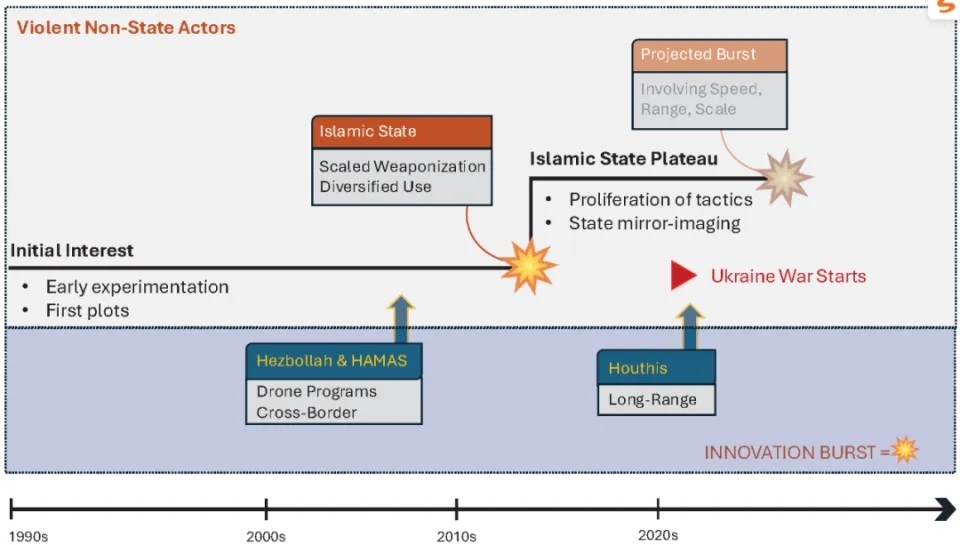
Highways, railways, and inland waterways that move coal, gas, and oil are vulnerable to drone‑based disruption. A single loitering munition can block a critical rail bridge or damage a loading gantry, causing weeks of logistical chaos. The Red Sea drone campaign against merchant shipping vividly illustrates how UAVs can choke strategic chokepoints far from the actual energy facility.
Modern energy systems depend on real‑time data from SCADA networks, satellite links, and microwave relays. Drone strikes on communication towers or data centres can sever command‑and‑control links, delaying emergency response and hindering grid restoration. In Ukraine, communication outages following drone attacks exacerbated recovery efforts, highlighting the interconnected nature of these assets.
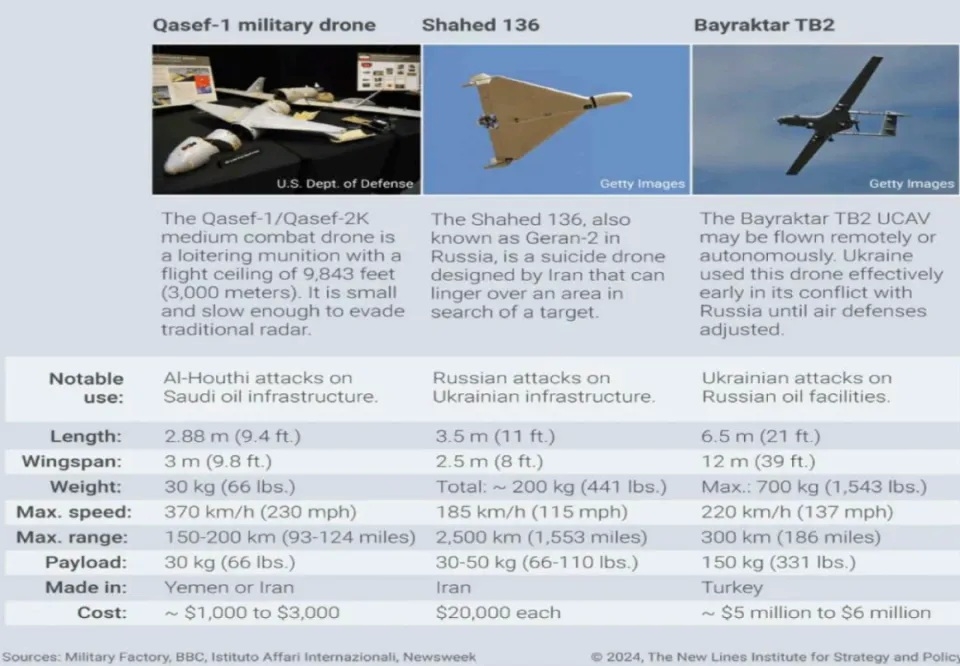
Three platforms have proven particularly effective in recent conflicts: the Qasef‑1/Qasef‑2K, the Shahed‑136 (Geran‑2), and the Bayraktar TB2.
These medium‑sized loitering munitions carry a 30‑kg payload, sufficient for high‑explosive or improvised warheads. Their small radar cross‑section, low speed, and low cost (USD 1,000–3,000 per unit) make them hard to detect and easy to deploy in swarms. Believed to be Iranian‑ or Yemeni‑made, they excel at close‑range precision harassment.
An Iranian‑designed one‑way attack drone, the Shahed‑136 can orbit over a target area before diving. Its range exceeds 1,000 km, and its price tag of roughly USD 20,000 enables mass production and swarm tactics. With a 30–50 kg warhead, it poses a serious threat to unprotected substations and refinery tank farms.
This Turkish medium‑altitude, long‑endurance platform carries up to 150 kg of laser‑guided munitions and smart bombs. Costing USD 5–6 million, it offers persistent surveillance and pinpoint accuracy, making it suitable for striking deep‑inland infrastructure with minimal collateral damage. Its use in multiple conflicts has demonstrated the effectiveness of military‑grade UAVs against stationary energy assets.
The widespread employment of these drones stems from three factors: low acquisition cost (for the first two), ease of procurement, and operational range that outpaces many existing air defences. While Qasef and Shahed embody the “low‑cost, high‑volume” philosophy, the TB2 represents the precision‑strike end of the spectrum – together they cover the full threat matrix.
An effective defence against drone attacks requires a layered, multi‑domain approach that integrates detection, interception, operational procedures, and regulatory cooperation.
Sensor Fusion: Combining radar, radio‑frequency (RF) scanners, electro‑optical cameras, and acoustic sensors into a unified picture provides robust situational awareness. Radar tracks position and trajectory; RF sensors intercept command links and locate operators; AI‑enhanced video analytics classify objects and reduce false alarms.
Slow and Small Target Detection Radar Technology: Conventional surveillance radar often misses low‑altitude, slow‑flying, small‑profile UAVs. Specialised slow and small target detection radar technology fills this gap, enabling reliable tracking of mini‑drones and loitering munitions. Deploying fixed and mobile detection nodes around power plants, refineries, and pipelines creates an early‑warning network that operates passively – emitting no signals and thus avoiding adversary detection.
RF Jamming: Disrupting the control and video links forces most drones into fail‑safe modes (land, return‑to‑home, or hover). This is a widely used, relatively safe countermeasure for protecting large perimeters.
GPS Spoofing: Transmitting false satellite navigation signals can misdirect drones, causing them to veer off course or land in designated safe zones. This technique is particularly valuable for nuclear plants and major oil depots, where precision targeting must be denied.
High‑Energy Lasers: Directed‑energy weapons can burn through drone airframes, disable avionics, or ignite fuel, causing immediate loss of flight capability. Though costly, laser systems offer reusable, low‑collateral‑damage interception.
Kinetic Interception: Interceptor drones with nets, tethers, or impact‑based kill mechanisms can physically capture or destroy hostile UAVs. While effective, they risk falling debris and are typically reserved for high‑value assets or last‑resort scenarios. Net‑launching systems are also deployable at close range around critical control rooms and substations.
Physical Hardening: Installing anti‑drone cages, blast barriers, and electronic perimeter fences increases the difficulty of successful strikes. Camouflage nets and decoy targets can confuse reconnaissance and divert attacks away from genuine assets.
Vulnerability Assessments and Drills: Regular red‑team exercises simulate drone incursions, testing detection, response, and recovery procedures. These drills uncover gaps and refine coordination with law enforcement and military units.
Emergency Response Planning: Detailed protocols must specify communication chains, evacuation routes, and incident command structures. Rapid restoration of communications is critical – backup satellite or radio links should be maintained.
Vendor Reliability: When procuring counter‑drone equipment, infrastructure operators must evaluate technical performance, update frequency, and after‑sales support.
Information Sharing: Collaboration with military, police, and intelligence agencies enables timely threat intelligence and joint response exercises. Police oversight of drone sales and modifications curbs illegal proliferation at its source.
VII. Integrated Anti‑Drone Solutions – The ANOEKO Approach
Addressing the diverse UAV threat to critical infrastructure demands more than standalone gadgets – it requires an integrated, scalable Anti Drone System that can be tailored to each site’s unique layout, threat profile, and operational constraints. ANOEKO specialises in such end‑to‑end solutions.
ANOEKO offers a full spectrum of counter‑UAS equipment:
Drone signal jammers – for cutting communication and navigation links.
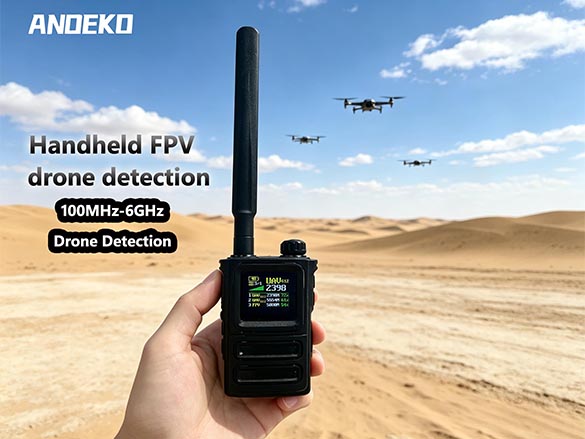
Portable drone detectors – for rapid field deployment.
Anti‑FPV systems – countering first‑person‑view racing drones.
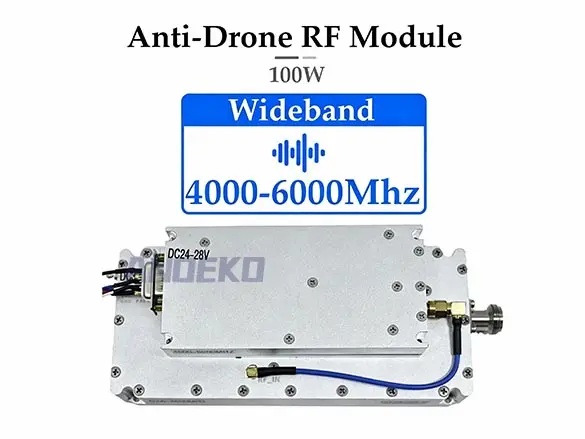
RF amplifier modules – extending jamming range and power.
Multispectral tracking turntables – for precise target designation.
Anti‑drone antennas – optimising directional coverage.
With in‑house R&D and control over the entire supply chain – from raw materials through production, testing, logistics, and after‑sales support – ANOEKO ensures consistent quality and rapid customisation. Each solution can be adapted to specific frequency bands, power levels, and physical footprints, meeting stringent regulatory standards across countries.
ANOEKO’s four product series and over 20 field‑tested models serve:
Airports – protecting runways and terminals from drone incursions.
Border security – preventing cross‑border UAV smuggling and reconnaissance.
Petrochemical sites – safeguarding refineries, gas plants, and storage farms.
Power grids – securing substations, transmission lines, and generation plants.
Urban safety – defending public events and critical city assets.
Each project benefits from direct engineering consultation, from threat assessment to system integration and on‑site commissioning. ANOEKO’s commitment to responsiveness and technical excellence makes it a trusted partner for infrastructure operators worldwide.
The drone threat to critical infrastructure is no longer hypothetical – it has been proven in conflicts from Ukraine to the Middle East. Power grids, oil refineries, pipelines, and communication networks are all at risk from both low‑cost loitering munitions and sophisticated military UAVs. Effective defence requires a layered combination of Drone Detection System coverage, RF jamming, GPS spoofing, kinetic options, and robust operational protocols. The integration of slow and small target detection radar technology with advanced countermeasures provides the situational awareness needed to neutralise threats before they strike.
For infrastructure owners, the imperative is clear: invest now in comprehensive, adaptable, and proven anti‑drone solutions for critical infrastructure. ANOEKO stands ready to deliver these solutions – customised, reliable, and backed by full‑chain quality.
ANOEKO is a professional anti‑drone system manufacturer offering one‑stop solutions for critical infrastructure protection. With proprietary R&D, full industrial chain control, and a focus on customisation and customer service, ANOEKO delivers effective Counter‑UAS System deployments for airports, borders, petrochemical sites, power grids, and urban safety.
Learn More: Visit www.anoeko.com for product specifications, technical datasheets, and custom solution inquiries.
For technical consultations or sample requests, contact ANOEKO’s engineering team directly via the website.
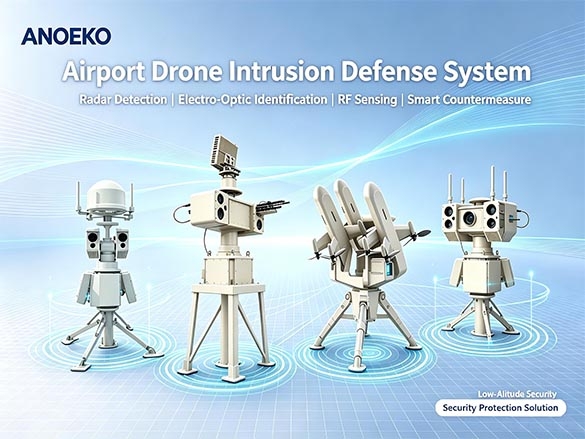
Keywords: Anti Drone System, Drone Detection System, Counter‑UAS System, Anti drone solution for critical infrastructure, slow and small target detection radar technology, ANOEKO
Consultation Hotline
+86 18948793112
Email:lisen1205@foxmail.com
Mobile:+86 18948793112
WhatsApp:+86 18948793112
Address:Changchun North Road, Gongming Street, Guangming District, Shenzhen, China
Copyright © Copyright 2013 Anoeko Technology Co., Ltd. All Rights Reserved. | Anti-Drone & Low-Altitude Defense Experts ICP:ICP